On this page
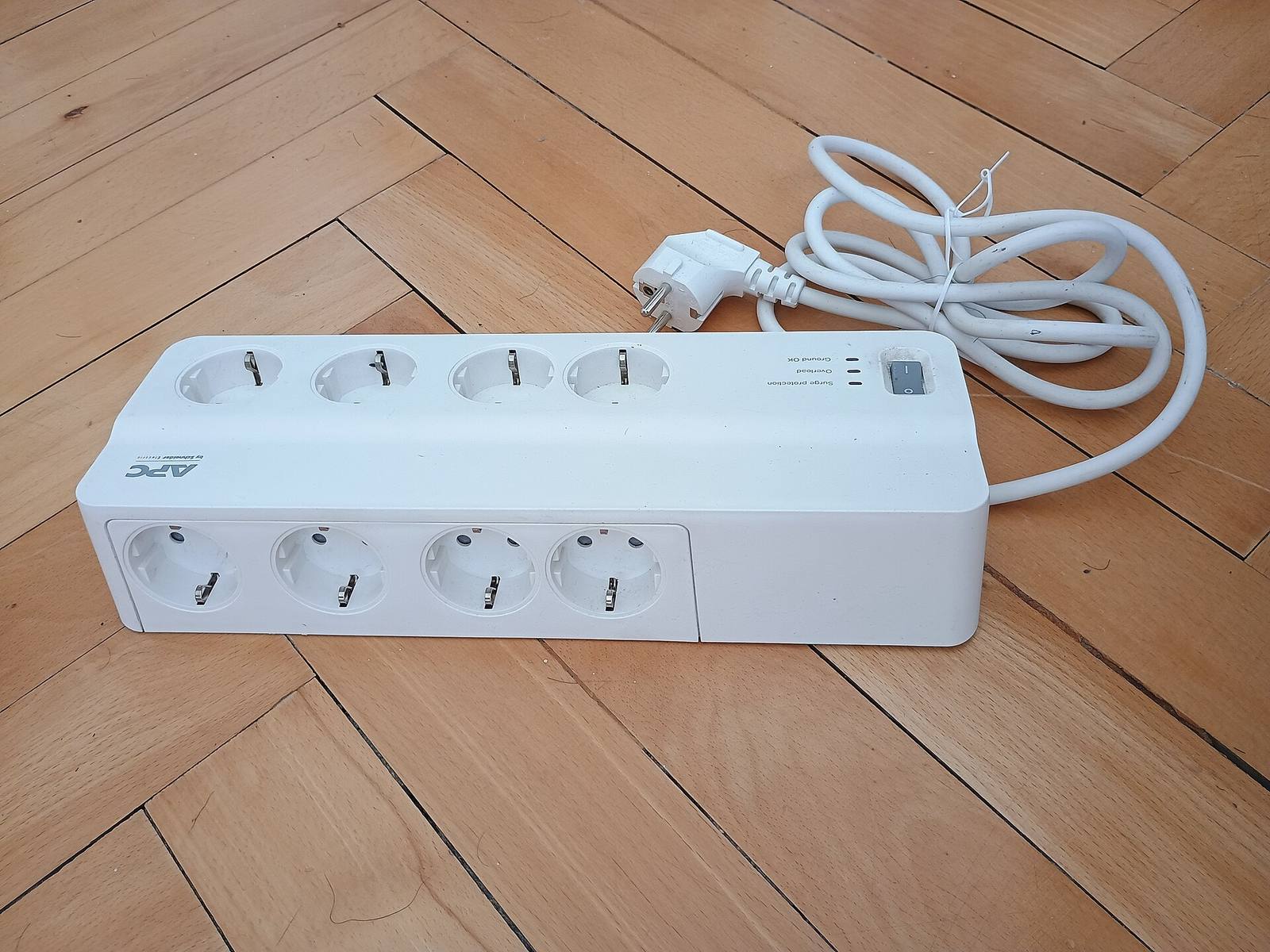
They look almost identical on the shelf: a bar of outlets on a cord. But one protects your electronics from voltage spikes and the other does nothing of the kind. A plain power strip only splits one wall outlet into several, while a surge protector adds parts inside that absorb sudden jumps in voltage. Knowing which you are holding is the difference between real protection and a false sense of safety.
What a plain power strip actually does
A power strip is an extension cord that ends in a row of sockets. It gives you more places to plug things in, and that is all. It does not sense voltage or react to spikes, and it offers no defence against a surge travelling down the line from a storm or a utility fault. Many strips include a circuit breaker, a small reset button, but that only guards against overload, not surges. There is nothing wrong with a plain strip for the right job: it is the cheaper choice when you need to reach a far wall or add outlets for things a spike will not harm.
What a surge protector adds
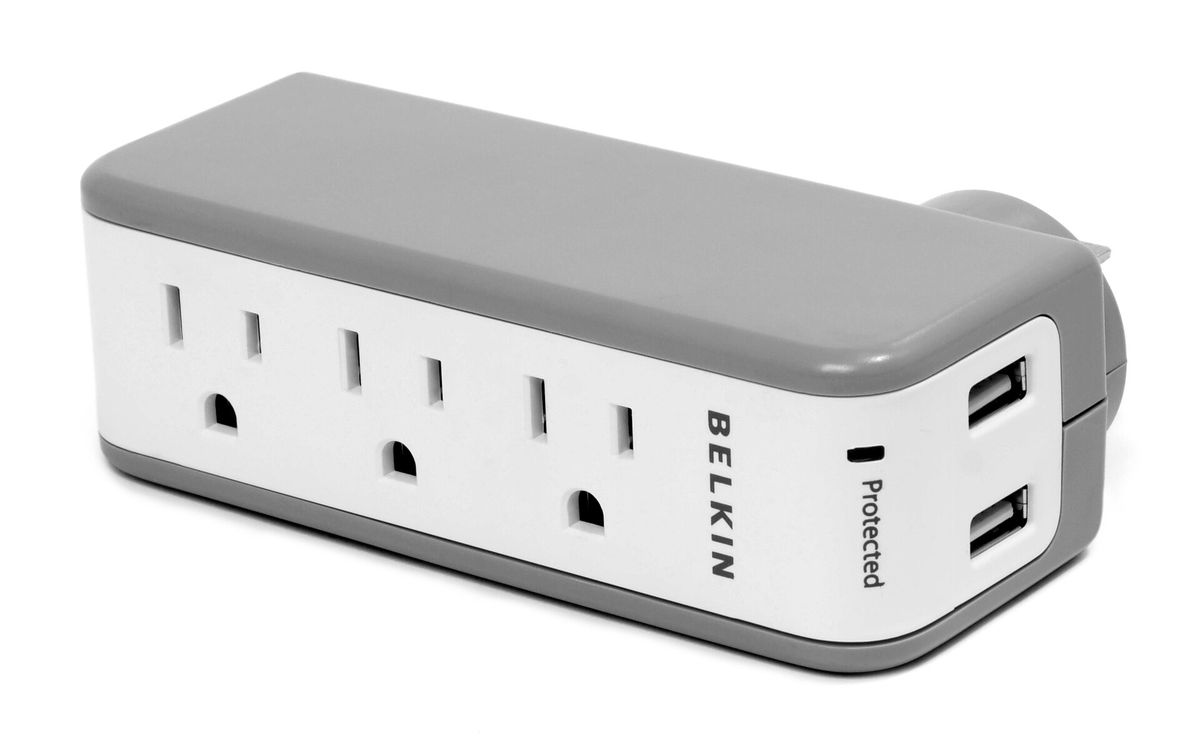
A surge protector looks like a power strip but contains components, most often metal oxide varistors, that divert excess voltage away from your devices. When the line voltage jumps above a safe level, these parts clamp it, so what reaches your electronics stays closer to normal. The spikes are brief, but enough to stress or ruin sensitive circuitry over time.
Two numbers describe how a protector responds. Clamping voltage is the level at which it starts to divert energy, so a lower figure means it steps in sooner. Response time is how quickly it reacts, where faster is better. You rarely need to compare these closely; what matters more is that the unit is tested and listed with enough capacity for the job.
Reading the joule rating
The joule rating is the single number most worth understanding. It describes roughly how much energy the protector can absorb over its life before its surge parts are used up. Think of it as a reservoir rather than a wall: a big spike drains a large share at once, while small spikes chip away at it. A higher rating means more headroom and a longer life.
- A higher joule rating means the protector can take more total energy before it wears out.
- For a few lamps or a fan, a modest rating is plenty; for a computer or home theatre, look for more headroom.
- The rating is a lifetime budget, so a unit that absorbed a big surge may have little left even if it still passes power.
Why UL listing matters
A listing from a recognised safety testing lab tells you an independent body checked the product against a published standard, rather than taking the maker at its word. In North America the relevant mark is UL, and the standard covering surge protective devices of this kind is UL 1449. A protector listed to it has been tested for how it clamps voltage and for how it behaves when its surge parts eventually fail, which matters because a worn protector should fail safely rather than overheat. Look for the mark on the packaging, or outside North America the equivalent recognised where you live.
What to plug into which
Items a brief spike will not harm are fine on a plain strip, while sensitive electronics with circuit boards belong behind surge protection.
Sort your devices
Separate sensitive electronics from simple loads like lamps, fans and chargers that tolerate spikes well.
Put electronics behind a surge protector
Choose a listed surge protector with a joule rating sized to what it guards, giving the highest-value gear the most headroom.
Use plain strips where they fit
A plain strip is fine for lamps or seasonal decorations, saving the surge protector for gear that needs it.
Keep heavy appliances off strips
Space heaters, kettles and similar high-draw appliances should go straight into a wall outlet, not a strip.
Note the install date and watch the light
Write down when you set up each surge protector and check its light occasionally so you know if protection has lapsed.
In short: a power strip only adds outlets, while a surge protector adds parts that clamp spikes and wear out as they work. Read the joule rating, look for a recognised safety listing, and watch the light.
Photo credits
- Photo: Roy Zuo / Wikimedia Commons, CC BY-SA 4.0
- Photo: Evan-Amos / Wikimedia Commons, Public domain
Written and edited by EasyGuides Editors. See our editorial standards.