On this page
A sink that drains slowly or holds a pool of water is almost always blocked by something physical: hair, grease, soap scum, or food scraps caught in the bend of the pipe. The quick reaction is to pour in a chemical drain cleaner, but those products are harsh, they do not always reach the blockage, and they can sit in the pipe making the next step dangerous. Mechanical methods clear the same clogs more reliably and let you see what you are removing. This guide works through them from gentlest to most hands on.
Why skip the caustic cleaners
Most liquid drain cleaners dissolve the clog with heat and a strong chemical reaction that can soften older plastic or corroded metal pipes and warp the rubber seals in the trap. If it does not clear the blockage, you are left with a pipe full of caustic liquid, and anyone who opens the pipe or reaches into the water risks a burn to the skin and eyes.
| Method | Best for | Effort |
|---|---|---|
| Hot water | Grease and soap buildup | Low |
| Cup plunger | A soft blockage near the drain | Low |
| Drain snake | Hair and firm debris in the pipe | Medium |
| Clearing the P-trap | A stubborn clog settled in the bend | Medium |
Start with hot water
The simplest fix is often enough for a grease or soap clog. Boil a kettle and pour the hot water down the drain in two or three stages, pausing a few seconds between pours. Near boiling water is safe on a metal sink, but if your sink or the pipe underneath is plastic, use hot tap water instead, since very hot water can soften some plastic joints. Run the tap afterwards to check the flow.
Use a cup plunger
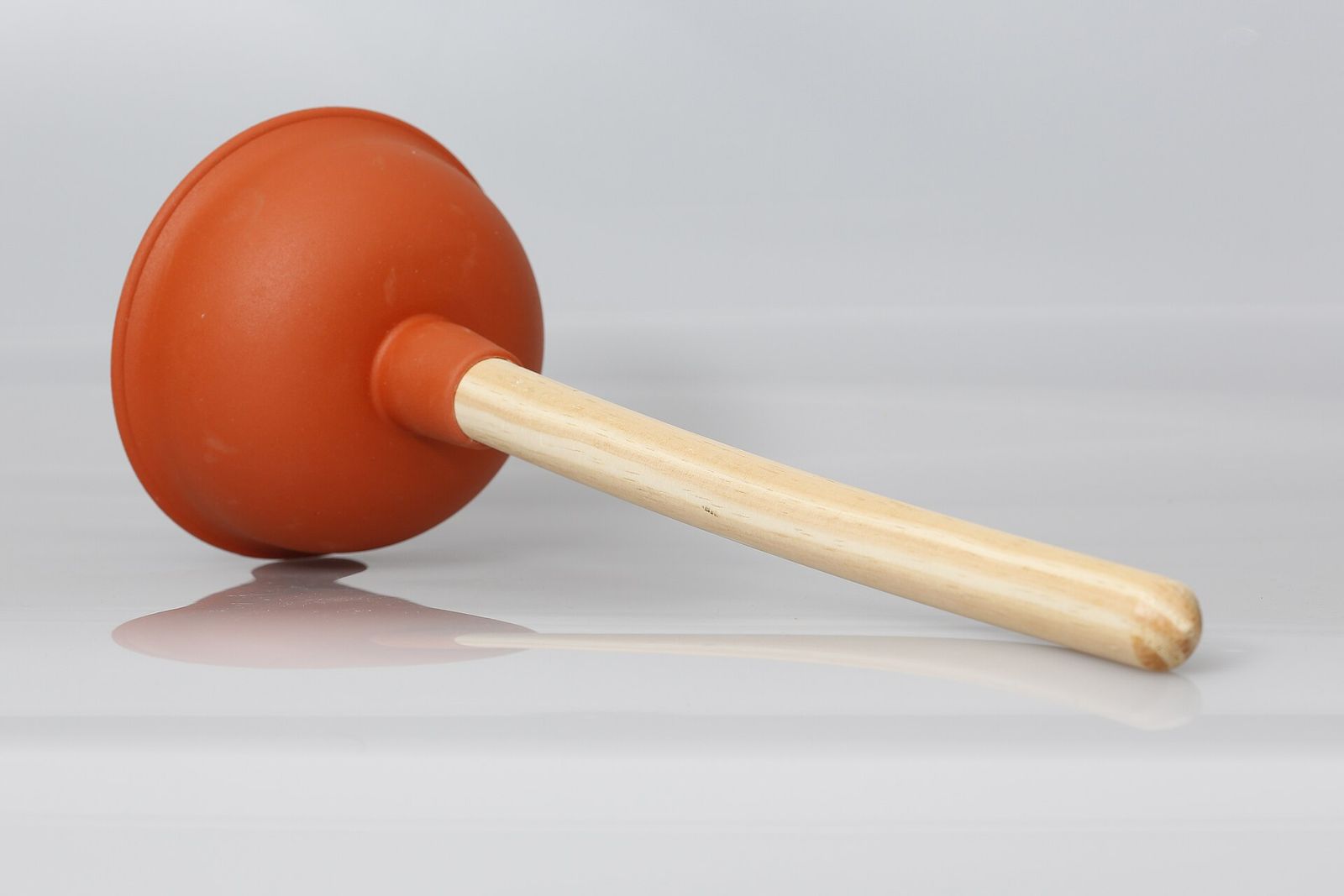
A flat cup plunger, the kind meant for sinks rather than the flanged toilet type, uses pressure to work the clog loose. The trick most people miss is sealing the other openings. Hold a wet cloth over any overflow hole near the top of the basin, and in a double sink block the second drain with a cloth.
Fill the basin with a few inches of water so the cup is submerged and grips well. Set the plunger squarely over the drain, press down to push out the air, then pump firmly up and down a dozen times without breaking the seal, pulling off sharply on the last stroke. Run the tap to check progress.
What you need
Reach the clog with a drain snake
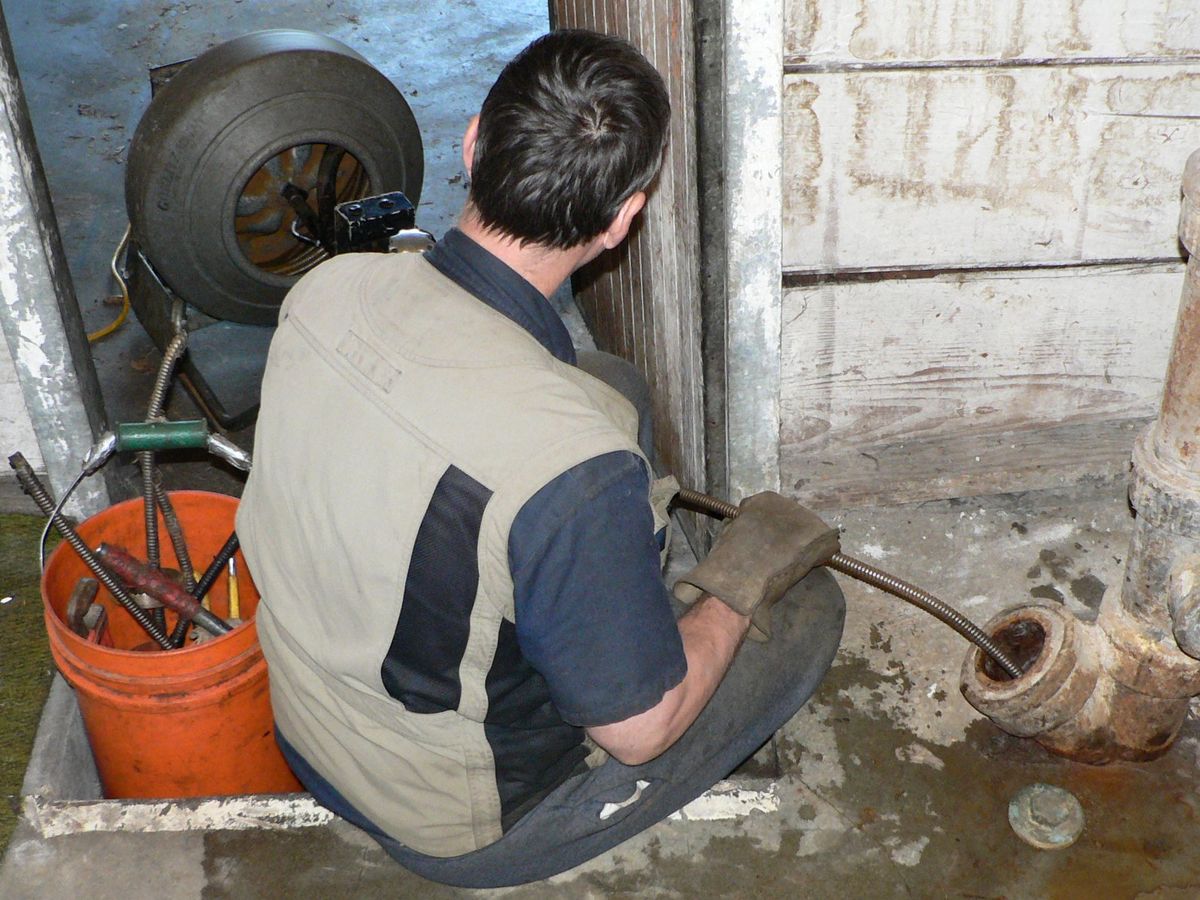
If hot water and plunging do not clear it, the blockage is probably a firm mass of hair and debris. A drain snake, also called a hand auger, is a flexible coil you feed into the pipe. Remove the sink stopper, then push the snake in until you feel resistance. Turn the handle to work the tip into the clog, then pull it back slowly; hair usually comes out wrapped around the end. For shallow blockages near the opening, a cheap plastic hair tool does the same job.
Clean out the P-trap
The P-trap is the U shaped section of pipe under the sink, where heavy debris settles. Opening it is the most thorough fix, and simpler than it looks.
Put a bucket underneath
Clear the cabinet and set a bucket below the trap. It still holds water and whatever caused the clog, so expect a spill.
Loosen the slip nuts
Find the large slip nuts at each end of the U bend. Turn them by hand, or with pliers if tight, and slide them clear.
Remove and clear the trap
Lower the U section into the bucket and let it drain. Pull out any gunk with an old brush or wire, then rinse the trap.
Check the washers and reassemble
Seat the rubber washers inside each nut flat. Refit the trap, hand tighten the nuts, then snug gently with the pliers so you do not crack the plastic.
Test for leaks
Run the tap and watch the joints for a minute. A slow drip usually means a nut needs a slight turn.
Keeping it clear
Most repeat clogs come from hair in a bathroom sink and grease in a kitchen sink. A drain strainer catches hair before it reaches the pipe, and pouring cooking fat into a jar for the bin stops grease lining the trap. A weekly flush of hot water keeps things moving. If a drain blocks again within days, or several back up at once, the problem is likely in the main line and worth a call to a plumber.
Photo credits
- Photo: Tim Reckmann from Hamm, Deutschland / Wikimedia Commons, CC BY 2.0
- Photo: Walter Siegmund / Wikimedia Commons, CC BY 2.5
Written and edited by EasyGuides Editors. See our editorial standards.